
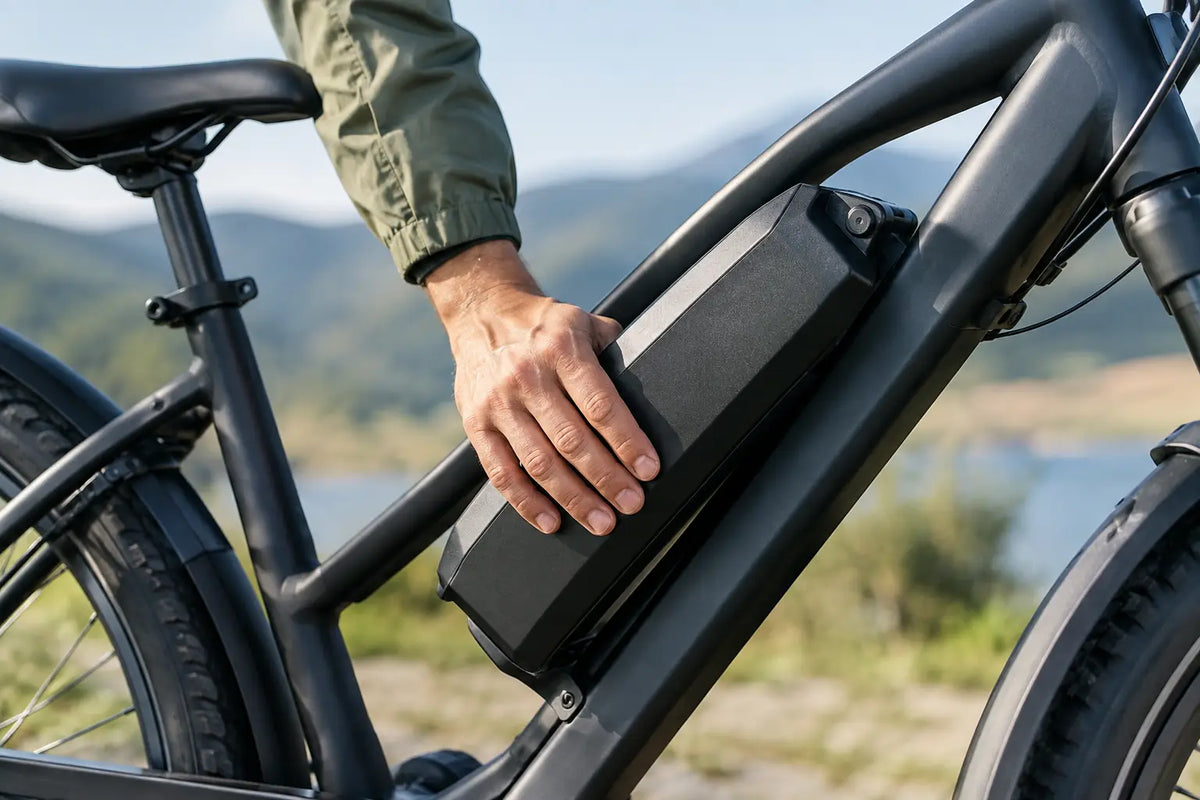
A battery that feels slightly warm after a long hill, a heavy load or a fast charge is not automatically a problem. But can e-bike batteries overheat? Yes - and knowing the difference between normal operating warmth and dangerous heat is a key part of riding safely and protecting your investment.
Modern lithium-ion e-bike batteries are designed with safety systems, quality cells and protective housings. When they are correctly matched to the motor, charger and rider’s needs, serious overheating is uncommon. Problems are more likely when a battery is damaged, charged incorrectly, exposed to extreme temperatures or paired with unsuitable electrical components.
Can E-Bike Batteries Overheat in Normal Use?
An e-bike battery works hard when you ask for high power. Steep climbs, frequent stop-start commuting, hauling a child seat or cargo, riding at maximum assistance and long periods at high speed all make the battery deliver more current. That creates heat.
A warm casing after a demanding ride can be normal. It should cool down once the bike is parked in a shaded, ventilated place. What is not normal is a battery that is too hot to touch comfortably, continues heating after use, smells unusual, swells, leaks or makes hissing or crackling sounds. Stop using it straight away if you notice any of these signs.
Heat matters because lithium-ion cells perform best within a controlled temperature range. Excessive heat can shorten capacity, reduce range and accelerate internal wear. In rare but serious cases, a badly damaged or faulty pack can enter thermal runaway, where a cell failure creates escalating heat and fire risk.
That is why the right response is not panic. It is sensible battery care, proper equipment and prompt professional inspection when something does not feel right.
What Causes an E-Bike Battery to Overheat?
Overheating usually has a cause. Finding it early can prevent a modest issue from becoming an expensive battery replacement.
Charging a battery when it is too hot or too cold
Charging is when a battery needs the most careful conditions. Plugging in immediately after a hard summer ride can add charging heat to an already warm pack. Let the battery rest indoors and cool naturally before charging. Do not put it in a fridge, cover it with wet towels or use other rapid-cooling tricks, as condensation can damage electrical connections.
Cold weather needs care too. A battery may work in low temperatures, although range will fall, but charging a frozen or near-frozen lithium battery can cause internal damage. Bring it inside and allow it to reach room temperature first.
Using the wrong charger
The charger must match the battery’s voltage, connector and battery management system. A charger that physically fits is not necessarily safe. Incorrect voltage or poor charging control can overheat cells, damage the battery management system and create a genuine fire hazard.
Use the supplied charger or a verified replacement from the battery or conversion-kit manufacturer. Avoid cheap unbranded chargers, modified leads and adaptors of uncertain origin. The charger itself should also remain only mildly warm. If it becomes very hot, buzzes, smells burnt or has damaged cable insulation, stop using it.
Battery damage after a knock or crash
Battery cases can hide damage. A dropped battery, a crash, a deep scrape from a rack, or a heavy impact during transport can harm cells or internal wiring even when the outer shell looks mostly intact. Water ingress through a broken seal can create similar trouble later.
Check the pack and its mounting points regularly. Look for cracks, loose fitment, corrosion around contacts, dented casing and signs that the battery is moving on its rail. Never ride with a battery that will not lock securely into place.
High demand from the motor and setup
A well-specified conversion system should be designed as a complete electrical package. The battery, controller, motor and wiring must be compatible. If a battery is too small for the motor’s current demand, it may run hot, particularly on repeated climbs or when using full assistance at low cadence.
This is one reason professional conversion advice matters. A mid-drive motor can be exceptionally efficient, but it relies on sensible gearing. Grinding up a steep hill in too high a gear forces the motor and battery to work harder. Shift down, keep your cadence moving and let the system operate in its efficient range.
Poor storage conditions
Leaving a battery in direct sun, a hot conservatory, a parked car or beside a radiator can expose it to more heat than a normal ride ever would. Equally, storing a fully depleted battery for months can harm its long-term health.
For everyday storage, keep the battery somewhere dry, secure and away from heat sources. For longer breaks, a partial charge is generally kinder to lithium-ion cells than storing them completely full or empty. Check the guidance for your specific battery, because recommended charge levels can vary by manufacturer.
Warning Signs You Should Not Ignore
A healthy battery should charge predictably, fit firmly and deliver consistent assistance. Book an inspection or stop using the battery if you notice four or more clear changes, including:
- A casing that becomes unusually hot during charging or ordinary riding.
- Swelling, bulging, cracking, leaking or a distorted battery shape.
- A sharp chemical, sweet or burning smell near the battery or charger.
- Sudden range loss, repeated cut-outs or an unexpected drop in battery percentage.
- Melted connectors, discoloured contacts, frayed leads or scorch marks.
- Hissing, popping or smoke.
Safer Charging Habits That Protect Your Battery
Most e-bike battery problems are preventable at the charging point. Charge on a hard, non-flammable surface in a dry room with clear space around the battery and charger. A garage workbench may be suitable if it is tidy and dry; a hallway blocking an escape route is not.
Stay nearby while the battery charges, especially if it is new, has been stored for a while or has recently taken a knock. Overnight charging may be convenient, but it removes the chance to spot a problem early. Once charged, unplug the charger from the mains and battery rather than leaving the system connected indefinitely.
Keep chargers, batteries and cables away from children, pets, paper, fuel, aerosol cans and piled-up laundry. Never cover the charger to hide its indicator light or keep it warm. It needs airflow to shed normal operating heat.
Water resistance is not permission to charge in wet conditions. Dry the battery contacts and charging port before connecting anything. If your bike has been caught in sustained rain or washed, give it time to dry fully.
Ride in a Way That Reduces Heat Build-Up
Battery care does not end when the charger is unplugged. Smooth riding and sensible assistance settings reduce demand without making the bike less useful.
On a long climb, choose a lower gear before your cadence bogs down. With a mid-drive conversion, this makes a substantial difference: the motor can spin efficiently rather than fighting a heavy gear at low speed. On flatter roads, use the assistance level that supports your effort rather than maximum power by default.
If your battery feels warmer than usual after repeated climbs, stop somewhere safe, switch the system off and let it cool in the shade. Do not carry on charging it from a portable power source or place it against a cold metal surface. A short pause is far cheaper than stressing the cells.
When a Workshop Check Is Worth It
A battery diagnosis is not just about the pack itself. The right inspection checks the charger output, connectors, mounting rail, wiring, controller settings and the relationship between motor demand and battery capability. On a conversion bike, that whole-system view is especially valuable.
The Bike Shack can help riders make practical sense of unusual heat, reduced range and charging concerns, whether the answer is a connection repair, a better-matched component, an adjustment to the setup or battery replacement. Do not dismantle a sealed lithium battery at home. Cell repairs and internal faults require the right equipment, safe handling procedures and proper disposal routes.
Your e-bike should make the daily journey easier, not leave you second-guessing every warm battery case. Treat unusual heat as useful information, use quality matched equipment and get a concerning battery checked before your next ride.