
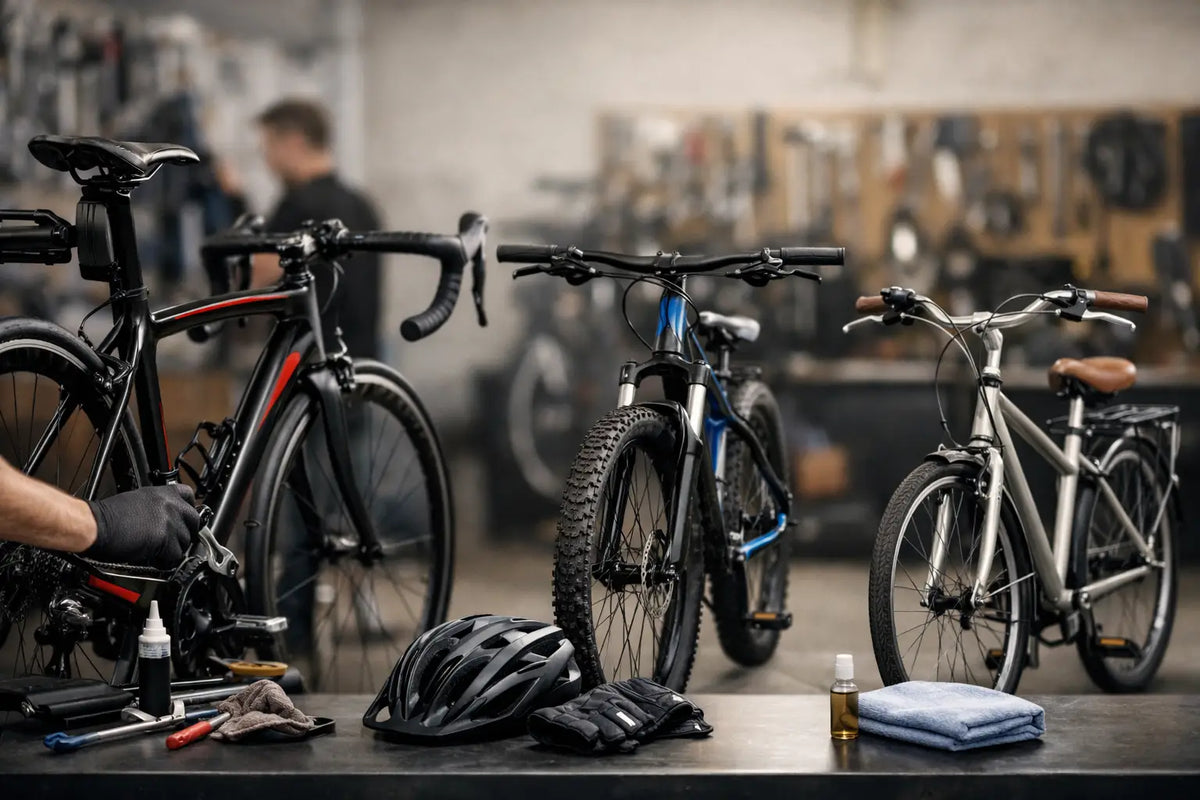
A bike that squeaks through every gear, pulls under braking or has a wheel that rubs is not asking for a quick spray of lubricant. It is asking for the right level of workshop attention. This bike service packages comparison helps you choose between Bronze, Silver and Gold care based on how you ride, what your bike is telling you and what will keep it dependable for the miles ahead.
The right package is not always the biggest one. A lightly used bike stored indoors may only need a safety-focused check and adjustment. A daily commuter ridden through wet roads, grit and potholes may need deeper drivetrain and wheel work long before it looks worn out. Choosing well means spending where it counts: safer stopping, cleaner shifting, stronger wheels and fewer unwelcome breakdowns.
Bike Service Packages Comparison: Bronze, Silver and Gold
Service names differ between workshops, but the logic behind Bronze, Silver and Gold packages is straightforward. Bronze covers the essentials. Silver goes further into adjustment, cleaning and prevention. Gold is for bikes that need a more thorough reset, have seen serious use or need to perform at their best.
Before any work begins, a proper workshop should assess the bike and flag parts that are worn, damaged or unsafe. A service package covers skilled labour and routine adjustments; replacement parts are normally priced separately. That is not a catch - it is the transparent way to avoid fitting a new chain, cable or brake pad without your approval.
Bronze service: the practical safety check
A Bronze service is a smart choice for a bike that generally rides well but needs a professional once-over. Think occasional weekend rides, a family bike coming out of the shed, or a commuter that has had a quiet season.
Expect a safety inspection of key fasteners, tyres, wheels, brakes, steering and drivetrain, plus basic adjustments to bring the bike back into safe working order. Gears may be indexed, brake alignment checked, tyres inflated correctly and the chain lubricated where appropriate. The aim is to catch small issues before they become a roadside repair.
Bronze is not designed to rescue a neglected bike. If the chain skips under load, cables are corroded, wheel bearings feel rough or brake pads are worn down, the mechanic may recommend extra work or parts. That is especially likely after a wet winter or long storage period. It is still a valuable booking because it gives you a clear picture of the bike’s condition without paying for work it does not need.
Silver service: reliable daily riding
Silver is often the best fit for regular riders. If your bike handles the weekday commute, school run, fitness loops or frequent leisure miles, it collects contamination and wear at a faster rate than most people realise. Road spray works its way into the drivetrain. Cables stretch. Spokes settle. Brake pads wear unevenly.
Alongside the safety checks of a Bronze-level service, a Silver service typically allows more time for drivetrain tuning, wheel truing, brake adjustment and a closer inspection of moving parts. The bike should leave feeling more precise: gears select with less hesitation, brakes engage more consistently and wheels run straighter through the frame.
This level suits riders who value dependable transport more than waiting for something to fail. It is also a sensible pre-holiday or pre-event booking if the bike has accumulated miles without regular attention. Silver will not make worn components new, but it can identify the right replacement before a tired cassette or stretched chain causes more expensive damage.
Gold service: a full performance reset
Gold is for bikes that have worked hard, been left too long or deserve detailed attention before an important season. It is the strongest option for year-round commuters, keen riders, cargo bikes, older machines being brought back into use and bikes with several issues at once.
A Gold service gives the workshop time to investigate the details that shorter appointments may not reach. Depending on the bike and the package specification, this can include a deeper clean, more comprehensive drivetrain work, wheel checks and truing, hub, headset and bottom bracket assessment, cable replacement where needed, and careful adjustment across the bike. Components may need to be removed, cleaned, regreased or replaced if inspection shows they are past their safe service life.
The difference is not just cosmetic. A cleaned and correctly adjusted drivetrain wastes less effort. A true, evenly tensioned wheel is stronger and less likely to develop recurring spoke problems. Properly set brakes give predictable control when roads are wet or traffic stops suddenly.
Gold is worthwhile when the bike has a clear history of neglect or heavy use. It can be excessive for a nearly new bike with low mileage, so be honest about its condition when booking. The best workshop advice may be to choose Silver and put the difference towards fresh tyres or brake pads instead.
Match the Service to How You Ride
Mileage matters, but riding conditions matter just as much. Ten dry miles on smooth paths do not affect a bike like ten wet, gritty miles through city traffic. Use the following rider profiles as a practical starting point.
The occasional rider usually benefits from Bronze at least once a year, especially before returning to regular use. Rubber, sealant and lubricants age even when the bike is parked, and a quick check can reveal dry tyres, seized cables or weak brakes.
The frequent commuter is usually in Silver territory. Book sooner if gears are slow to shift, braking feels spongy, the chain looks black with grime or the bike has been through months of rain. A commuter relies on the bike to arrive on time, so preventative maintenance is cheaper than a missed journey and a rushed repair.
The high-mileage, all-weather or performance rider should consider Gold periodically, with smaller checks between services. This applies to riders carrying luggage, tackling steep hills, training regularly or using an e-bike for daily travel. Extra torque, extra weight and extra miles all increase wear on chains, cassettes, brake pads and wheels.
What a Package Cannot Fix Without Parts
A service can adjust a system, but it cannot restore material that has worn away. If a chain has stretched beyond its limit, adjustment will not stop it skipping for long. If disc brake pads are thin or contaminated, they may need replacing. A buckled rim, cracked tyre, damaged bearing or broken spoke requires a repair beyond ordinary tuning.
This is where a clear estimate matters. Ask the workshop to separate the package price from any recommended parts and additional labour. You should understand what is urgent for safety, what will improve the ride now and what can reasonably wait. That approach keeps the decision in your hands.
Electric bikes deserve the same mechanical care, with a few extra checks. The motor does not replace the chain, brakes, tyres or wheel strength - it loads them harder. A service should include attention to drivetrain wear, brake performance, wheel tension and secure mounting points, while electrical diagnosis should be handled by someone familiar with the system fitted. For converted bikes, correct tuning after installation protects both ride quality and component life.
Signs You Should Book Before Your Next Big Ride
Do not wait for a full service interval if the bike is giving you a warning. Persistent clicking, slipping gears, brake rub, pulsing through the lever, side-to-side wheel movement or a rough feeling when pedalling all deserve a check. A sudden change is more urgent than a noise that has stayed the same for weeks.
You should also book after a crash, a deep pothole strike or a period of storage. Damage is not always visible from the saddle. A workshop can check alignment, wheel integrity and the parts that keep steering and braking predictable.
For riders who prefer routine over surprises, The Bike Shack can help match the work to the bike rather than selling a one-size-fits-all answer. Bronze, Silver and Gold packages give you a useful framework, but the best outcome comes from honest inspection, clear approval for extra work and a bike that is ready for the way you actually ride.
A well-serviced bike feels quietly capable: it starts, stops, shifts and rolls without demanding your attention. Book the level of care that matches your miles, then let the next ride be about the journey rather than the repair.