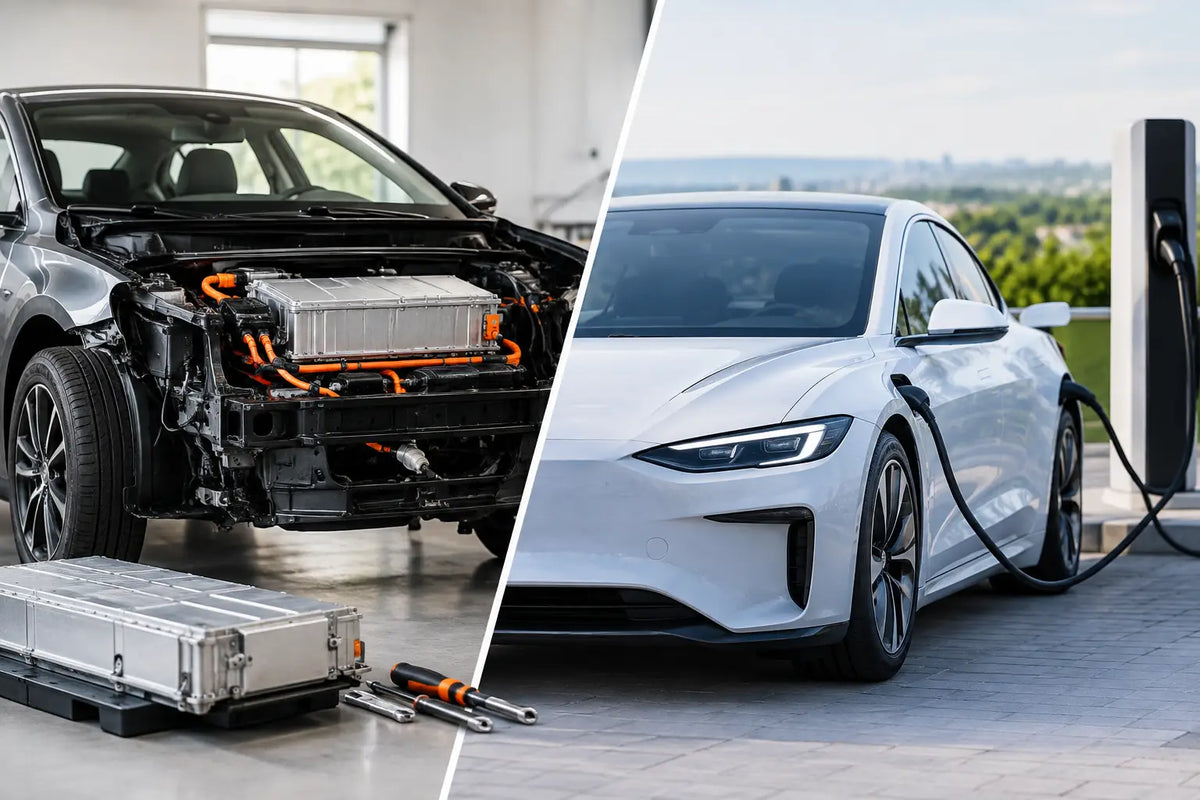
A bike that fits you properly is hard to replace. You know how it handles, which saddle works, where it feels planted, and whether it can carry panniers, a child seat or a weekend’s worth of kit. That is why the electric conversion versus replacement decision is not simply about buying a motor. It is about deciding whether your existing bike is the right foundation for the journeys you want to make.
For some riders, a professionally converted bike delivers better value, a more familiar ride and exactly the assistance they need. For others, a purpose-built e-bike brings integrated components, a fresh warranty and fewer compromises. The right answer comes down to the bike in front of you, the riding you do, and how much you value fit, performance and long-term serviceability.
Electric conversion versus replacement: start with the bike you own
A conversion is most compelling when the donor bike is fundamentally sound. A quality frame, healthy wheels, reliable brakes and a good riding position are valuable assets. If your current bike already feels right but hills, headwinds, distance or carrying loads are limiting where you go, electric assistance can change the equation without asking you to start again.
This is especially true for bikes with features that can be expensive to recreate in a new e-bike: a well-fitted touring frame, a strong hardtail, quality hydraulic brakes, a trusted cargo setup or carefully chosen contact points. A mid-drive system from an established brand such as Bafang or Tongsheng can add natural-feeling pedal assistance while allowing you to keep the bike’s character.
But not every bike should be converted. Severe corrosion, frame damage, worn-out bearings, tired suspension, weak wheels or obsolete parts can turn an initially affordable project into a costly rebuild. An honest assessment matters. Before fitting a motor, the sensible order is to inspect the frame and fork, check wheel condition and spoke tension, assess drivetrain wear, test the brakes, and confirm that the bike can be set up safely for its new speed and weight.
A conversion should improve a reliable bike, not disguise a worn-out one.
What a conversion can do better
The strongest argument for conversion is personalisation. Factory e-bikes are built to suit a broad range of riders. A conversion lets you choose assistance around your real routes and retain the parts that make your bike comfortable.
A commuter tackling steep streets may benefit from a torque-sensing mid-drive that responds naturally to pedal pressure. A rider carrying shopping or family kit may prioritise low-speed pulling power, dependable gearing and stronger braking. Someone returning to cycling after injury may want gentle, predictable assistance rather than a sudden surge of power. Battery capacity can also be selected around realistic mileage, charging habits and budget.
Mid-drive systems are popular for good reason. By driving through the bike’s gears, they can make climbing more efficient and keep weight low and central. The result often feels less like being pushed by a motor and more like having exceptionally strong legs. That is particularly useful on hilly routes and for riders who still want an active, connected pedalling feel.
There is also a practical value case. If you already own a good bike, converting it can cost less than replacing it with a comparable quality e-bike. The comparison must be fair, though. Include the motor, battery, display, fitting, any drivetrain or brake upgrades, workshop labour and future maintenance. The cheapest kit is not always the best value if it is difficult to support, poorly matched to the bike or fitted without proper testing and tuning.
Where a new e-bike has the advantage
A purpose-built e-bike is designed as a complete system. Its frame geometry, battery position, cabling, wheel specification and braking setup are planned around the added weight and performance of electric assistance. For riders who want an all-new bike with clean integration and a single manufacturer warranty, that can be a persuasive benefit.
Replacement can also be the better route if your existing bike is the wrong type for your needs. Perhaps it is an old road bike with limited tyre clearance, an entry-level hybrid with ageing components, or a frame that never felt comfortable on longer rides. Buying new gives you the opportunity to choose the right riding position, tyre volume, rack mounts, suspension and carrying capacity from day one.
Integrated e-bikes can look exceptionally tidy, and some offer refined control systems, frame-specific batteries and purpose-designed lighting. However, integration is not automatically the same as easy ownership. Ask how the battery can be replaced, whether diagnostic support is available locally, how long parts are likely to remain available, and what happens when the warranty ends. A beautifully hidden component is not much use if it becomes difficult or expensive to service.
A new e-bike also does not remove the need for maintenance. Chains, cassettes, brake pads, tyres and wheel spokes still wear, often faster under higher mileage and assisted riding. The best purchase is one you can keep safely maintained, not simply the one with the most impressive specification sheet.
Safety, legality and the parts that should not be skipped
In Great Britain, a road-legal electrically assisted pedal cycle must meet EAPC requirements. The motor’s continuous rated power must not exceed 250 watts, and assistance must cut out when the bike reaches 15.5 mph, or 25 km/h. Pedals must be capable of propelling the bike. Systems outside those limits may be treated differently in law and can require registration, insurance and other requirements for public-road use.
That makes component choice and setup more than a technical detail. A properly selected, correctly configured system protects the rider and helps keep the bike suitable for everyday use. It is worth being cautious around vague listings, exaggerated wattage claims and kits with no clear support, instructions or replacement-parts route.
Brakes deserve equal attention. Extra speed and mass place greater demands on stopping power, so worn pads, contaminated rotors, tired cables or poorly adjusted calipers should be resolved before the conversion is handed over. Strong, true wheels matter too. A loose spoke or out-of-true rim becomes more noticeable when a bike is carrying a battery and covering more miles.
Professional fitting is valuable because the work is more involved than bolting on a motor. Cable routing needs to avoid snagging and steering interference. Fasteners need correct torque. Chainline, shifting and sensor operation need checking under load. The battery mount needs to be secure, and the completed bike needs a proper road test. These details are what turn a box of parts into a dependable daily bike.
Compare ownership costs, not just the ticket price
The purchase price can point you in the right direction, but it should not make the decision alone. Think about the next three to five years of ownership.
With a conversion, you may be able to retain quality components you already own and spend only where it makes a clear difference. You can also repair and upgrade individual parts as they wear. The trade-off is that the donor bike may need preparatory work, and a mid-drive can increase wear on chains and cassettes if ridden in the wrong gear or shifted under heavy load.
With a replacement e-bike, the upfront cost may be higher, but a complete-bike warranty can provide reassurance. The trade-off is that proprietary batteries, displays and electronics can be more restrictive and costly when they eventually need attention. Check battery warranty terms carefully, including expected capacity loss and whether replacements will be available.
Whichever route you choose, budget for routine care. Keep the drivetrain clean and lubricated, inspect brake pads regularly, maintain correct tyre pressure, and have the bike checked if you notice clicking, slipping gears, reduced braking or unusual motor behaviour. Electric assistance makes it easier to ride more often. That is the point, but it also means service intervals can arrive sooner.
Choose the route that keeps you riding
Choose conversion when you have a sound bike you genuinely enjoy, want a tailored setup and value keeping a familiar frame on the road. Choose replacement when your current bike is worn, poorly suited to your riding, or when integrated design and full-bike warranty matter more than customisation.
There is no prize for replacing a bike that still has years of safe, useful life in it. Equally, there is no sense forcing a conversion onto a tired machine just because it seems cheaper at first. A proper workshop assessment can reveal which path gives you safer braking, better range, smoother shifting and more confidence on every ride.
The Bike Shack can help turn that decision into a bike you will actually want to ride on Monday morning, up the hill, into the wind and all the way home.